Health

Your Stress May Be Stealing Your Hair

Find out if everyday stress is the real cause of your hair loss.

This quick and free test helps you understand if stress might be causing your hair loss. It consists of simple questions about your routine and how you've been feeling.

Stress isn't just in your head.

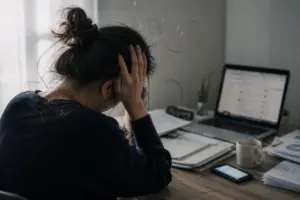
It spreads throughout the entire body, affecting sleep, the stomach, the heart, the muscles, and yes, even the hair.

When you live under constant pressure, whether it's from a non-stop job, financial problems, difficult relationships, or simply trying to cope with everything, your body goes into alert mode.

It starts releasing stress hormones like cortisol, which prepares you to face dangers.

The problem is that these hormones, when elevated for weeks or months at a time, begin to affect functions that are not essential for immediate survival.

And hair growth is on that list of things the body considers less important when it thinks you're in constant danger.

You wake up tired, face the day rushing from one place to another, solve a thousand problems, arrive home exhausted, and repeat it all the next day.

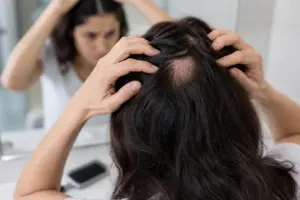
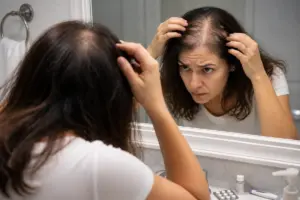
And in the midst of all this rush, she begins to realize she's losing hair.

Lots of hair.

Hair in the pillow, in the drain, on the brush, scattered around the house.

And with each strand that falls, a little piece of your confidence goes away too.

Because when you're already emotionally overwhelmed, losing your hair feels like the final blow.

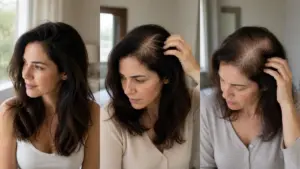
You try to disguise it, change the way you tie it up, avoid certain positions that show more of your scalp, and hope that no one will notice.

But you realize.

And that adds another worry to the pile of things that already stress you out.

Identifying the cause of your hair loss early on is not a trivial matter.

It's essential to take care of your physical and emotional health.

The longer you wait to understand the cause, the more hair you may lose, and in some cases, the delay can make the problem harder to reverse.

Furthermore, hair loss is often a visible sign that your body is crying out for help.

If it's stress, it means you've been operating beyond your sustainable limit for too long.

If it's a nutritional deficiency, your body is screaming that it's lacking basic resources.

If it's hormonal, something in your endocrine system needs attention.

Ignoring these signs doesn't make them disappear; it only postpones addressing them and can worsen the situation.

There are several different causes of hair loss in women, and each one needs to be treated in a specific way.

Very intense or prolonged stress can cause many hairs to enter the resting phase at the same time, causing them to fall out a few months later.

Postpartum hair loss occurs due to the abrupt change in hormones after the baby is born.

Hormonal problems such as an underactive thyroid or an excess of male hormones cause progressive hair loss.

A lack of important nutrients such as iron, protein, and vitamins prevents hair from growing healthy.

Alopecia areata occurs when the body's defense system mistakenly attacks its own hair follicles.

There are also hair loss cases caused by medications, autoimmune diseases, or specific scalp conditions.

When you don't identify the cause and try to solve it blindly, the problem may persist or even worsen.

If it's untreated stress, you can get into a cycle where worrying about falling increases stress, which worsens the fall, which increases stress even more.

If it's an uncorrected nutritional deficiency, you'll continue to lose hair month after month without understanding why.

If it is an undiagnosed hormonal condition, the hair loss may become permanent in affected areas.

If an inflammatory condition on the scalp is left untreated, it can irreversibly damage the follicles.

That's why time matters, and seeking appropriate professional help makes all the difference.

Several professionals can help you depending on the cause of your fall.

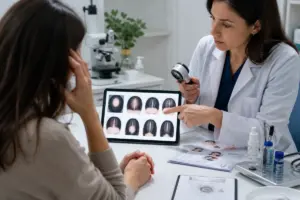
A dermatologist is a medical specialist in skin, hair, and nails, and is usually the first professional to consult.

He examines your scalp, asks questions about your health, orders blood tests, and is able to diagnose most causes of hair loss.

A general practitioner or family doctor can also conduct an initial investigation, especially if the fall is accompanied by other symptoms such as fatigue, weight changes, or sleep problems.

A psychologist comes in when the cause is linked to stress, anxiety, or depression, helping you develop tools to better cope with life's pressures.

Sometimes you need more than one professional working together to fully resolve the problem.

Understanding that each cause requires a different treatment prevents you from wasting time and money on things that won't work for your case.

If your hair loss is due to stress, you need to work on ways to reduce and manage that stress; simply using hair products won't solve the problem.

If it's an iron deficiency, you need to specifically replace the iron; generic vitamins may not solve the problem.

If it's hormonal, you need to regulate your hormones; changing shampoo won't change anything.

If it's alopecia areata, you need treatments that calm the immune system.

Without a proper diagnosis, you end up trying everything, spending money on products and treatments that don't work for you, and continuing to lose hair.

I know it can be scary to seek help.

Fear of hearing a bad diagnosis, fear of discovering there's no solution, fear of yet another thing to worry about.

But in the vast majority of cases, hair loss has an identifiable cause and responds well to treatment when done correctly.

Millions of women go through this, seek help, discover the cause, get treatment, and see their hair grow back.

You deserve that same chance.

You deserve to understand what's happening to your body and have the tools to take care of it.

Your hair matters because you matter.

And taking care of your hair loss often means taking care of your overall health.

Take that step of seeking answers.

You won't regret taking care of yourself.


Frequently Asked Questions About Hair Loss and Stress

Can stress really cause hair loss?

Yes, intense physical or emotional stress can cause hair loss a few months after the stressful period. When you go through very difficult situations such as the loss of a loved one, divorce, surgery, serious illness, or extreme work pressure, your body releases stress hormones that can push more hairs into the resting phase. About two to three months later, these hairs all fall out together. Fortunately, when the stress decreases, the hair usually grows back normally.

How long after a stressful event does hair start to fall out?

Hair loss due to stress doesn't happen immediately after the stressful event. There's a gap of approximately two to three months between the stressful event or period and when you notice increased hair loss. This happens because the hairs that prematurely entered the resting phase due to stress need to complete this phase before falling out. That's why people often don't make the connection between the stress of January and the intense hair loss that begins in April.

Do anxiety and constant worry also cause falls?

Yes, chronic anxiety and constant worry keep cortisol levels elevated in the body for extended periods, which can affect hair growth. This is different from one-off stress caused by a specific event. When you live in a state of continuous anxiety and tension without relief, it acts as chronic stress that can cause persistent hair loss. Furthermore, anxiety is often accompanied by poor sleep and inadequate eating habits, which also harm the hair.

Does hair loss caused by stress return to normal on its own?

In most cases, yes, hair loss caused by stress is temporary and resolves itself when the stressful cause passes or is better managed. Hair follicles are not permanently damaged by stress, so they can resume normal hair production once the body calms down. This usually takes three to six months after stress reduction. However, if stress becomes chronic and is left untreated, hair loss can persist indefinitely.

What can I do to reduce falls caused by stress?

The most important thing is to work on managing stress through strategies such as regular physical exercise, breathing techniques and meditation, adequate sleep, psychological therapy if necessary, and establishing healthy boundaries in your responsibilities. Meanwhile, take good care of your nutrition by eating enough protein and vegetables, and be gentle with your hair by avoiding harsh chemicals. A dermatologist can assess whether treatments like minoxidil can help speed up recovery, but nothing replaces treating the root of the problem, which is stress.


This content is for educational and informational purposes only and does not replace consultation with a doctor or qualified healthcare professional. Chronic stress can cause temporary hair loss months later. Managing stress properly helps hair recover naturally.

About the author

Malu Oliveira

I write about current events and technology, exploring trends and innovations. My passion is communicating complex ideas in an accessible and engaging way.